
"World Heritage"
500 article(s) found

Cuban boutique coffee introduces Cuban coffee flavor Cuban coffee characteristics Cuban coffee taste Cuba
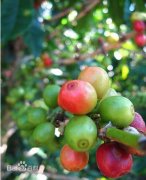
Cuba recorded that there were 2067 coffee plantations in Cuba in 1833. Among them, the earliest seven coffee plantation sites, such as Raglan Piedra, Elkovre, El Salvador and Nisto Perez, are listed as World Cultural Heritage. The seven coffee plantations are the foothills of the Maestra Mountains in the provinces of Santiago and Guantanamo in southeastern Cuba in the 19th century (figure 17 is a postcard).
Cuban coffee flavor producing area single coffee coffee price coffee network
According to records, there were 2067 coffee plantations in Cuba in 1833. Among them, the earliest seven coffee plantation sites, such as Raglan Piedra, Elkovre, El Salvador and Nisto Perez, are listed as World Cultural Heritage. These seven coffee plantations are located in the foothills of Maestra in the provinces of Santiago and Guantanamo in southeastern Cuba in the 19th century (figure 17 is a postcard).

India BETTADAMALALI Manor Coffee introduction Indian Coffee good? Indian Coffee Brand
Professional coffee knowledge exchange more information about coffee beans Please follow Coffee Workshop (Wechat official account cafe_style) BETTADAMALALI Manor due to the increased demand for coffee in India, in 2019 we added another property to our product list, Bettadamalali Estate in the amazing West Gaozhi Mountains (UNESCO World Heritage site). This village
The origin of Indonesian Kopi Luwak experiencing Kopi Luwak and how to brew Kopi Luwak
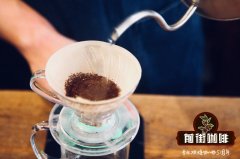
For more information on coffee beans, please follow the coffee workshop (Wechat official account cafe_style) Kopi Luwak, which is known as the most expensive coffee in the world. I heard about it before I went to Indonesia, and many people must be curious. In recent years, due to family reasons, I have visited Indonesia many times and have some experience to share. Coffee in a coffee garden in Bali, Indonesia
Coffee experts from all over the world focus on the protection and inheritance of ancient coffee forests
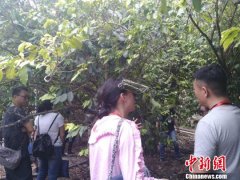
Professional barista exchanges, please pay attention to coffee workshop (Weixin Official Accounts cafe_style ) The first Yunnan Binchuan Zhukula Coffee Forum was held in Zhukula Village on the 17th. Coffee experts from the United States, France, India and Ethiopia focus on the inheritance and protection of the Jukura coffee forest and coffee culture and intangible cultural heritage, as well as the scientific development of the cultural brand of Jukura coffee. bin

Introduction to the origin of global coffee-Cuban boutique coffee beans Cuban coffee flavor Cuba
According to records, there were 2067 coffee plantations in Cuba in 1833. Among them, the earliest seven coffee plantation sites, such as Raglan Piedra, Elkovre, El Salvador and Nisto Perez, are listed as World Cultural Heritage. These seven coffee plantations are located in the foothills of Maestra in the provinces of Santiago and Guantanamo in southeastern Cuba in the 19th century (figure 17 is a postcard).

Get an overview of the coffee industry
Coffee, as a traditional western drink, has a long history and cultural heritage. The world consumes at least 400 billion cups of coffee every year, and the current annual global coffee consumption is about 10 million tons. Coffee is the first of the two largest drinks in the world, and it is also the second largest trading commodity in the world after oil. China's coffee industry has been introduced and developed with the development of reform and opening up.

Description of the aroma and taste of Galapagos coffee
Following Cafe Review (official Wechat account vdailycom) found that Beautiful Cafe opened a small shop of its own origin: Ecuador Galapagos Islands Variety: Arabica bourbon treatment: 90% washing; 10% sun sensory description: elegant aroma, mellow, suitable acidity, perfect caramel flavor, full and charming flavor. Summary of origin: growing in the national public

General situation of Coffee Industry basic knowledge of boutique coffee
Coffee, as a traditional western drink, has a long history and cultural heritage. The world consumes at least 400 billion cups of coffee every year, and the current annual global coffee consumption is about 10 million tons. Coffee is the first of the two largest drinks in the world, and it is also the second largest trading commodity in the world after oil. China's coffee industry has been introduced and developed with the development of reform and opening up.

Basic knowledge of boutique coffee general situation of coffee industry
Coffee, as a traditional western drink, has a long history and cultural heritage. The world consumes at least 400 billion cups of coffee every year, and the current annual global coffee consumption is about 10 million tons. Coffee is the first of the two largest drinks in the world, and it is also the second largest trading commodity in the world after oil. China's coffee industry has been introduced and developed with the development of reform and opening up.

Cultural coffee in Vienna Cafe should not be brewed many times.
Known as "Vienna", there are three treasures, music, coffee and waltz. Music, there is no doubt that, as we all know, Vienna is the capital of music, giving birth to many well-known musicians, such as Mozart, Schubert, Brahms, Strauss and so on. In addition, Vienna is also the hometown of waltz. The Blue Danube by John Strauss is

General situation of Coffee Industry Coffee is the first of the two largest drinks in the world
Coffee, as a traditional western drink, has a long history and cultural heritage. The world consumes at least 400 billion cups of coffee every year, and the current annual global coffee consumption is about 10 million tons. Coffee is the first of the two largest drinks in the world, and it is also the second largest trading commodity in the world after oil. China's coffee industry has been introduced and developed with the development of reform and opening up.

Ecuadorian Galapagos Coffee Taste Flavor Description
Pay attention to coffee comment (Weixin Official Accounts vdailycom ) Discover a beautiful cafe to open your own small shop Production country and production area: San Cristobal Island, Galapagos, Ecuador Soil: volcanic rock Elevation: 450 - 900 feet above sea level (equivalent to 1350 - 2700 feet on land) Plantation size: 400HAs, full yield 300 varieties: Arabica-Bourbon crops

As a traditional western drink, how does coffee develop in the Chinese market?
Coffee, as a traditional western drink, has a long history and cultural heritage. The world consumes at least 400 billion cups of coffee every year, and the current annual global coffee consumption is about 10 million tons. Coffee is the first of the two largest drinks in the world, and it is also the second largest trading commodity in the world after oil. China's coffee industry has been introduced and developed with the development of reform and opening up.

Introduction to the flavor and taste of Ecuadorian coffee Hassanda Coffee Garden
When it comes to Ecuadorian coffee, we have to mention the organic coffee in the Galapagos Islands of Ecuador. The Galapagos Islands, a famous tourist attraction, has been declared a World Natural Heritage site by the United Nations Educational, Scientific and Cultural Organization (UNESCO). It is extremely rich in products, and organic coffee is one of the unique ones. The local fertile volcanic soil, micro-climate and other unique ecological environment, coupled with its lack of

A brief introduction to the Colombian examination Card Excellence Cup
For more information on coffee beans, please follow Coffee Workshop (Wechat official account cafe_style) country: Columbia Coffee Culture is an outstanding example of cultural landscape, continuous and productive, and it represents a unique tradition that is of far-reaching significance to coffee-growing areas around the world. This heritage is located in western Colombia.

China is expected to become the most potential coffee consumer in the world.
Coffee, as a traditional western drink, has a long history and cultural heritage. The world consumes at least 400 billion cups of coffee every year, and the current annual global coffee consumption is about 10 million tons. Coffee is the first of the three largest drinks in the world, and it is also the second largest trading commodity in the world after oil. Shanpu consulting industry analyst pointed out that the world coffee consumption is about one year larger than cocoa and tea.

Taste mild, Ecuadorian coffee producing area manor introduces San Cristobal producing area
The coffee beans produced in Guadore's Galapagos Islands are organic coffee beans, thanks to the unique ecological environment such as volcanic soil and microclimate, coupled with the fact that they do not use any chemical fertilizers or pesticides, they are recognized as natural green boutique coffee. this naturally grown coffee has a mild taste with a hint of flowers and fruit and caramel. It is understood that the Galapagos Islands are far from Ecuador.

Costa Rican medium dark roast coffee beans flavor description processing quality characteristics introduction
Costa Rica occupies only 0.03% of the world's land area, but it is home to nearly 4% of the world's species, making it one of the most biologically diverse countries in the world. 26 per cent of the country is designated as national parks or nature reserves, including 11 wetlands, 2 biological reserves and 3 World Heritage sites. Forest cover is 52 per cent of the country. Natural resources include iron,

Brief introduction of varieties of grinding scale by taste treatment method for flavor description of Colombian Jindio coffee
Columbia Kindio Coffee Flavor description method Grinding scale varieties brief introduction to Colombian coffee has a bitter experience, astringent as life, but bitterness is necessary in life, the last fragrance at the root of the tongue is a thorough recollection of the past. Looking back on the bitterness of the past, you will feel more sweet and warm, and want to let the mood stop for a long time in the beginning of awakening.